Online Support


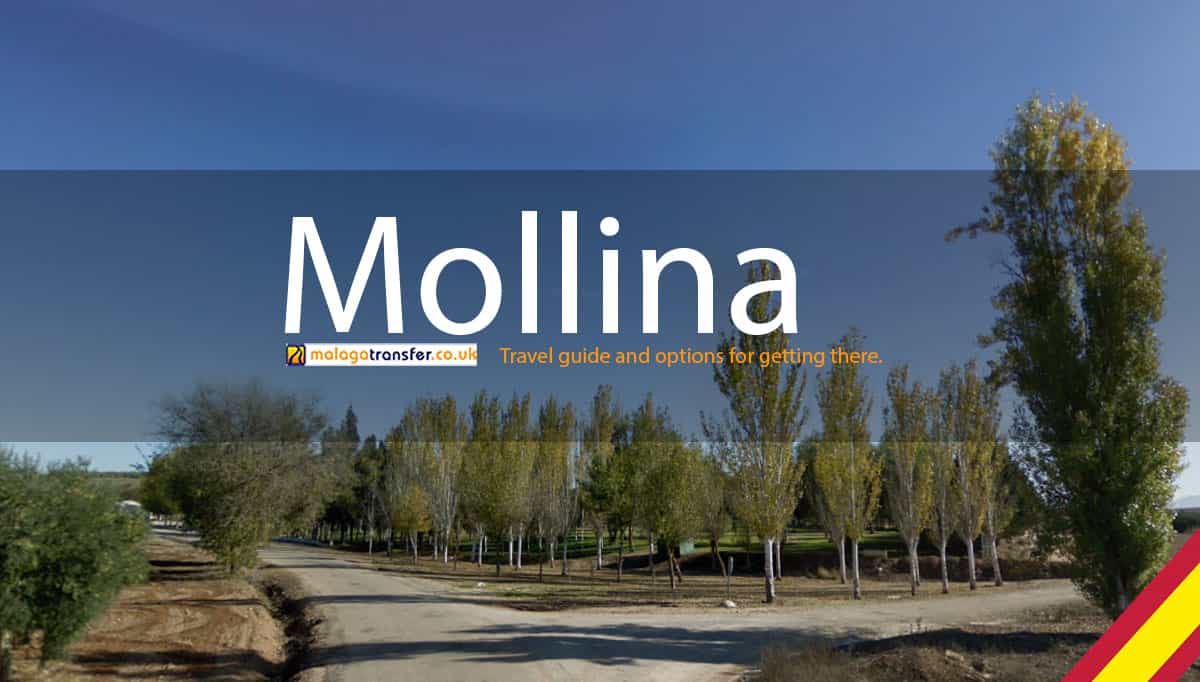
Mollina is a village in the Antequera region of Spain, in the province of Malaga. It is noted for its wine production and its historical and cultural heritage. It is located in an area of flat land, with a mountain range that gives it its name and offers spectacular views of the surrounding area.
Mollina has a long winemaking tradition, as it produces eighty percent of the wine with the Malaga designation of origin. Its vineyards spread across the landscape and produce wines of great quality and variety. This town also has a winery where you can learn about the winemaking process and taste its products.
It is an ideal destination for nature lovers, as it offers numerous hiking and cycling routes through its mountains and countryside. It is also a perfect place to enjoy the typical Andalusian gastronomy, based on local products such as olive oil, fresh cheese or migas (fried breadcrumbs).
This charming village will surprise you with its beauty, its culture and its flavour. What are you waiting for to visit it? We are going to give you reasons and if you finally decide, we can take you there whenever you need.
Why do English tourists choose Mollina?
Did you know that Mollina is the village with the most Britons in the whole of inland Malaga? This Malaga town has a long history of attracting foreign visitors, who fall in love with its landscape and its people, some of whom have been living here for more than ten years and don’t want to leave. Some have been living here for more than ten years and don’t want to leave. What is it about Mollina that captivates them so much? In this article we tell you all about this charming corner of the Antequera region.
- Mollina is a quiet and friendly village with a pleasant climate and a good location for visiting other places of interest.
- It has a residential complex Saydo Park, where more than 300 English people live in prefabricated houses with a swimming pool, restaurant and social activities.
- It offers services adapted to their needs, such as Spanish classes, health care or public transport.
History
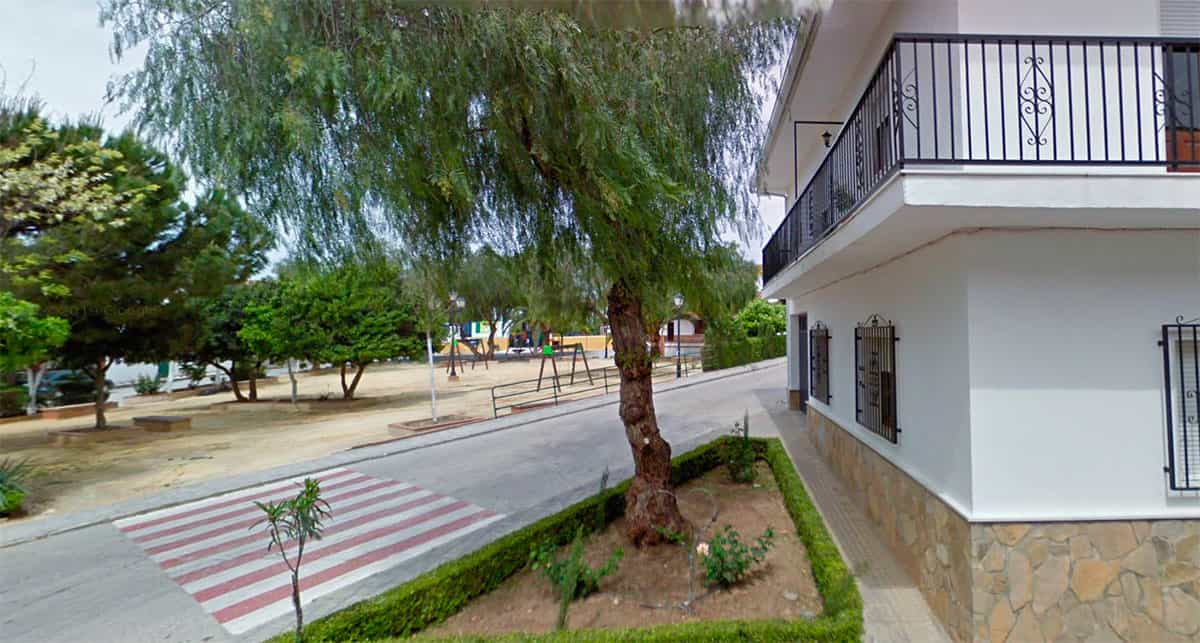
Mollina is a village with a lot of history and charm. Its origins date back to the Neolithic period, when its caves were inhabited by the first settlers. In Roman times, Mollina was the site of several rural and urban villas, where vines and olive trees were cultivated. The Arabs also left their mark on the name of the village, which means “mill” or “fountain” in Arabic. After the Christian reconquest, Mollina became dependent on Antequera, until it achieved its independence in the 19th century.
There is a strong winemaking tradition, which is reflected in its wines with designation of origin Malaga and in its Grape Harvest Fair. It also stands out for its cultural and natural heritage, such as the Sierra de la Camorra mountain range (map).
If you want to know more about the history of Mollina, you can visit some of its historical monuments or places of interest, such as:
- The Church of Nuestra Señora de la Oliva, built in the 18th century on the site of an old 16th century hermitage. It has a Baroque façade and a neoclassical main altarpiece.
- The Castle of Santillán, located at the foot of the Sierra de la Camorra. It is a medieval fortress that was the scene of several battles between Christians and Muslims.
- The Almirez, Rosa Chica, Higuera and Órganos Caves. These are natural caves that house archaeological remains from the Neolithic period and cave paintings.
We invite you to read on to find out more about places to visit, things to do and its gastronomy.
Weather in Mollina
When is it best to visit Mollina? According to the average climate, the best time to go to this town is summer, when temperatures are warm and there is little rain. The warmest month is July, with a maximum of 33°C and a minimum of 17°C. Summer is also a good time to enjoy the local fiestas, such as the Feria de Agosto or the Romería de San Gregorio.
However, if you prefer to avoid the heat and mass tourism, you can also choose to visit Mollina in spring or autumn, when the weather is milder and there are fewer people. The average temperature in these months is between 10°C and 25°C. In addition, you can better appreciate the green landscape of the vineyards and olive trees.
Winter is the coldest and rainiest season in Mollina, with an average temperature of 7°C and a maximum temperature of 16°C. However, if you like the cold and the snow, you can take the opportunity to do some hiking in the Sierra de Mollina.
In short, Mollina is a town that can be visited at any time of the year, depending on your preferences and tastes.
Gastronomy
The gastronomy of Mollina is based on local products, such as olive oil, fresh cheese, vegetables and fruit. Some of the typical dishes of the region you can try in Mollina are:
- Porrillas calientes, a thick soup of bread, tomato, pepper and garlic.
- Migas, a dish of bread fried with garlic and accompanied by chorizo, bacon or sardines.
- Gachas de mosto, a kind of sweet porridge made from flour and must (unfermented grape juice).
- La porra fría, a cold cream of tomato, bread, garlic and olive oil.
- Gazpacho, a cold soup of tomato, cucumber, pepper, garlic and vinegar.
In addition, you can’t miss the wines with designation of origin Malaga that are produced in Mollina. These are sweet or dry wines made from muscatel or pedro ximénez grapes.
In terms of confectionery, the most popular are pestiños, fried sweets dipped in honey; borrachuelos, cakes filled with angel’s hair or walnuts; and magdalenas, spongy sponge cakes. Also typical at Christmas are mantecados and roscos.
The gastronomy of Mollina is varied and tasty. You are sure to love discovering its flavours and aromas.
Places to visit in Mollina
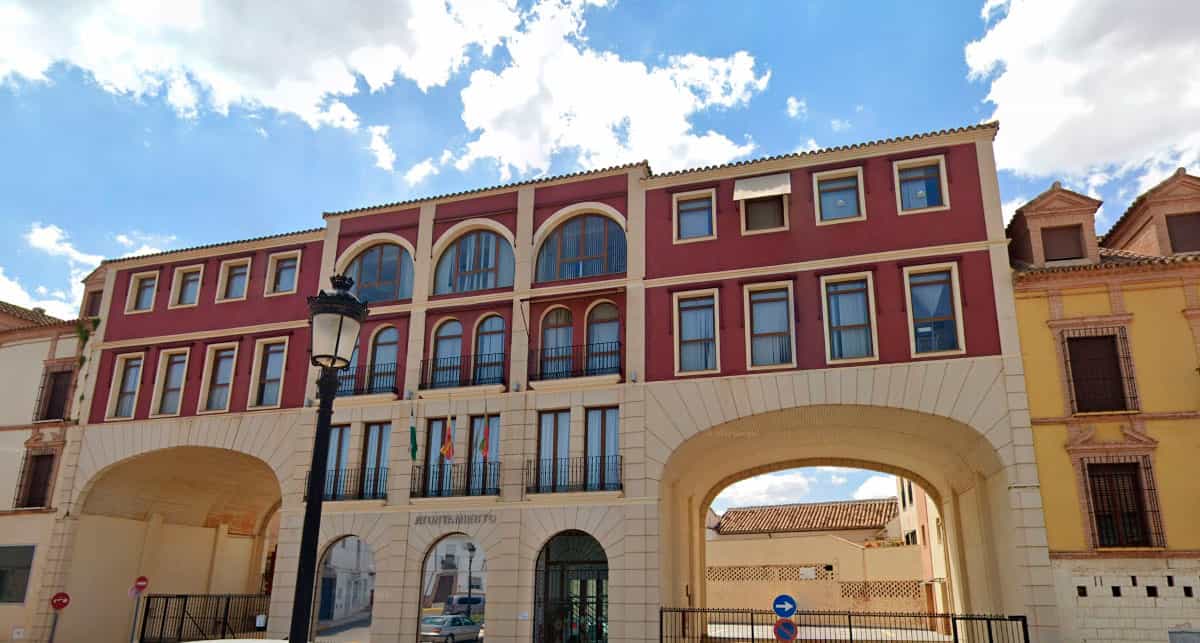
Mollina is a town with a rich history and a natural and cultural heritage worth knowing, not to mention its beautiful natural surroundings. Some of the tourist possibilities in Mollina to visit monuments or interesting places are:
Capuchina Mausoleum
The Mausoleo de la Capuchina is one of the archaeological jewels of Mollina. It is a Roman funerary monument from the 2nd century A.D. It belonged to a wealthy family who lived in a nearby villa. The mausoleum is rectangular in shape and is built with reddish-coloured stones and mortar. Inside the mausoleum was a hemispherical dome that has been lost over time. Pottery remains, such as pots, dishes and vessels, have been found next to the mausoleum.
The mausoleum is located in the foothills of the Sierra de la Camorra, about 7 kilometres from Mollina.
Location: https://goo.gl/maps/jCWrNixVXSNpxdSs5
Castellum de Santillán
The Castellum de Santillán is another Roman site in Mollina dating from the 1st to 3rd centuries A.D. It is a quadrangular walled enclosure with corner towers and a central courtyard. The castellum was built over an earlier agricultural villa, of which remains of rooms, cisterns and mosaics have been preserved.
This site is located about 4 kilometres from the village, near the Santillán recreational area. Not much remains of the structure, but the beauty of the surroundings and the park itself make it well worth a visit.
Location: https://goo.gl/maps/LS6JQx4j6akxgGgJA
Church of Nuestra Señora de la Oliva
The Church of Nuestra Señora de la Oliva is the main church in Mollina. It was built in the 17th century on the site of an earlier hermitage and was extended on several occasions. The church has two naves with barrel vaults and a high altar with a baroque altarpiece.
The church is located at Plaza de la Constitución, opposite the town hall.
Location: https://goo.gl/maps/RFmNNKui4sYTmwYX6
Torcal de Mollina
El Torcal de Mollina is a very interesting place to visit. It is a circular depression surrounded by steep walls that was formed by the subsidence of the land. Inside the torcal there is a microclimate different from the outside and a large rocky shelter with a huge rock at its entrance1. The Torcal is also known as “El Corralón” because in the past it was used to keep livestock.
There are several hiking routes that pass through the Torcal de Mollina and other nearby places such as the Cueva de los Órganos or the Sima del Soldado.
Location: https://goo.gl/maps/1gLJPaEH4R3ZiH1n9
The Mollina Caves
The Caves of Mollina are a group of 32 natural caves that are distributed throughout the mountain range of the municipality. Some of these caves are the Almirez, the Rosa Chica, the Órganos and the Gitana. These caves are of great geological and speleological value, as they contain formations such as marine corals, stalactites and columns.
Most of the caves are difficult to access and private, so it is advisable to ask for permission before visiting them.
Cueva de los Órganos: https://goo.gl/maps/k7Xe2uv1ZfEyGUsp8
Nativity Scene Museum
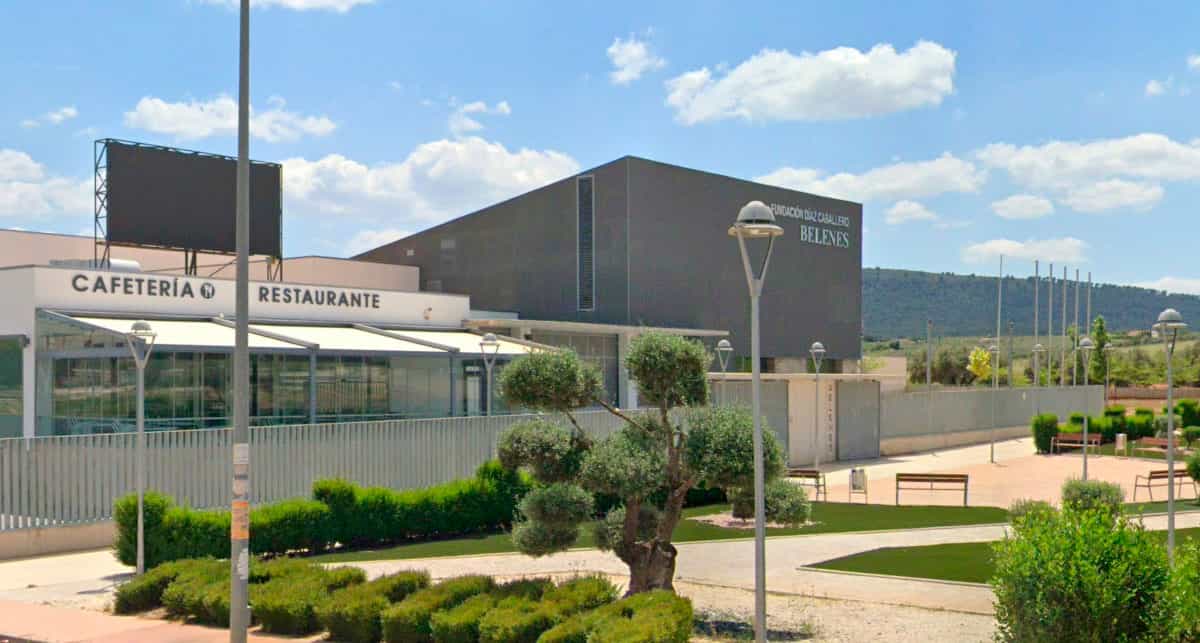
In addition to the ethnographic museum, another museum in Mollina is the Museum of Nativity Scenes. It is the largest of its kind in the world and has an exhibition of more than 70 artistic nativity scenes and around 2,000 unique figures. The museum is located in the Casería del Rey industrial estate, near the A-921 motorway.
The Nativity Scenes Museum is an essential visit if you like the art and tradition of nativity scenes. You will be surprised by the variety and quality of the works on display.
Location: https://goo.gl/maps/TEdgs1YPgzAaF9ST6
Natural environments
Mollina is a town that has several natural environments that you can enjoy. On the one hand, there is the Sierra de Mollina, a mountain area with broadleaf and pine forests where you can go hiking and observe the fauna and flora. On the other hand, there is the agricultural landscape of Mollina, dominated by olive groves and vineyards that produce wines with designation of origin Malaga.
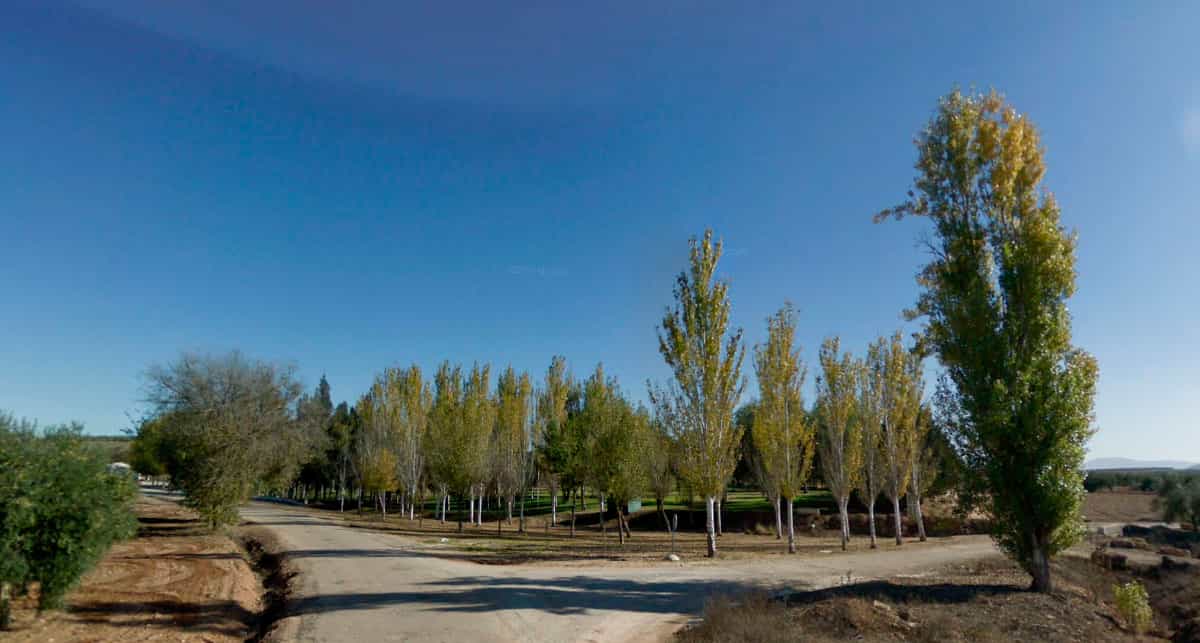
Hiking in Mollina is a good option for enjoying the nature and heritage of this area. There are several routes of varying difficulty and duration that allow you to discover places such as the Sierra de la Camorra, the Torcal de Mollina or the Cueva de los Órganos, among others.
Other places to visit near Mollina
Near Mollina there are several places to visit that offer different leisure and cultural options. Some of them are:
- Humilladero: a charming village with a campsite, swimming pool and activities for the whole family.
- Fuente de Piedra: a town famous for its lagoon, where you can observe flamingos and other birds.
- Antequera: a monumental city that is home to the archaeological site of the Dolmens, declared a World Heritage Site by UNESCO. You can also visit the Lobo Park, a natural park where you can see wolves in semi-freedom.
- La Roda de Andalucía: a village with an olive-growing tradition that has a bullfighting museum and a baroque church.
These are just some examples of the places you can see near Mollina. We encourage you to explore the area and discover its most beautiful spots.
Activities and Fairs
Mollina is a town that celebrates its fiestas with joy and tradition. Some of the most outstanding are the Candelaria, Easter, the Feria de Agosto and the Feria de la Vendimia. The latter is a Festivity of Provincial Tourist Singularity that pays tribute to the wines with Designation of Origin of the area.
These fiestas are an explosion of colour, music and flavour that will make you feel part of the community.
Candelaria
La Candelaria is a festival celebrated on 1 February in honour of the Virgen de la Candelaria. In ancient times, the purpose of this festival was to ask for protection against fires that could affect crops and agricultural warehouses. The tradition consisted of bonfires in each neighbourhood, where people danced and sang.
Nowadays, the Town Hall organises a bonfire where the inhabitants of Mollina gather to enjoy choricillos, sardines and other typical products, washed down with the excellent local wines.
August Fair
You will be able to see the virgin in her procession through the streets, surrounded by devotees and the faithful. The fair also awaits you with its attractions and stalls, where you can enjoy the festive and lively atmosphere. Don’t miss the dressage competition, where you can admire the beauty and skill of these animals. And for lunch, nothing better than a plate of gazpacho or migas, two typical dishes that will make you lick your fingers.
Grape Harvest Fair
The Mollina Grape Harvest Fair is held on the second weekend of September in the Plaza de Atenas, an ideal place to taste the local Denomination of Origin wines. This festival is a Fiesta de Singularidad Turística Provincial, so it is highly recommended.
Malaga Airport to Mollina
Are you planning to visit friends or family in Mollina or do you want to offer a comfortable transport for a visitor? To get from Malaga airport to Mollina you have several options:
By train: You can take the C1 train from the airport to María Zambrano station. From there you can take another train to Antequera-Santa Ana and then a taxi to Mollina. The journey can cost you between 20 and 30 euros and take about two hours.
By taxi: You can take a taxi directly from the airport to Mollina. The journey can cost between 70 and 90 euros and takes about 45 minutes.
By car: You can hire a car at the airport and follow the following route by road:
- Exit the airport on the MA-20 towards Málaga
- Take exit 6 towards A-357/Cártama/Parque Tecnológico
- Follow the A-357 for about 40 km
- Take exit 62 towards A-92/Antequera/Granada/Sevilla
- Follow the A-92 for about 15 km
- Take exit 146 towards MA-6414/Mollina/Humilladero
- Follow the signs until you reach Mollina
The journey will cost you between 10 and 15 euros for fuel and tolls and will take about 50 minutes.
Remember that from Malagatransfer we offer you the best service for transfers from Malaga airport to Mollina. You only have to book in advance and we will be waiting to take you or bring you when you decide. We have vehicles for all needs, whether you come loaded with luggage or with the family, as if you just need an economical means of transport. Whether you are going to Mollina, or if you want to offer a visitor a comfortable and safe transport option from the airport, with us you will be sure to get it right.